

Gambling has existed in different forms for centuries, evolving alongside cultural traditions, social customs, and entertainment preferences. Today, casinos are found across the world, but their roles and popularity differ significantly by country. Some destinations view casinos as major tourism attractions, while others approach gambling through traditional games, strict regulations, or online entertainment. From luxurious gaming resorts to community-based card games, every region has its own relationship with gambling. Exploring these differences provides an interesting look at how history, culture, and modern technology influence casino experiences around the globe.
Asia: A Blend of Tradition and Modern Casino Entertainment

Asia has a diverse gambling landscape, combining centuries-old gaming traditions with some of the world’s most recognizable casino destinations. Macau, for example, is internationally known for its luxury resorts, large gaming floors, and vibrant tourism industry. Meanwhile, countries such as Japan maintain strict restrictions while gradually exploring regulated casino resort development. Traditional games also remain culturally significant in several Asian communities. As digital entertainment expands, W567 reflects the growing interest in accessible gaming experiences alongside established casino traditions. However, gambling regulations and public attitudes vary considerably across the region, making Asia one of the most diverse gambling markets worldwide.
Europe: Historic Gambling Traditions and Sophisticated Casinos
Europe has a long-standing connection with casino entertainment, with several countries developing famous gambling destinations over generations. Monaco’s Monte Carlo Casino is perhaps the most recognizable example, associated with luxury, architecture, and international tourism. Other European destinations, including France, Germany, and the United Kingdom, have established casino industries operating under different regulatory frameworks. Gambling culture in Europe also extends beyond traditional casinos to include lotteries, sports betting, and online gaming. Many countries emphasize licensing, consumer protection, and responsible gambling measures, although specific requirements differ by jurisdiction.
North America: Entertainment, Tourism, and Casino Resorts
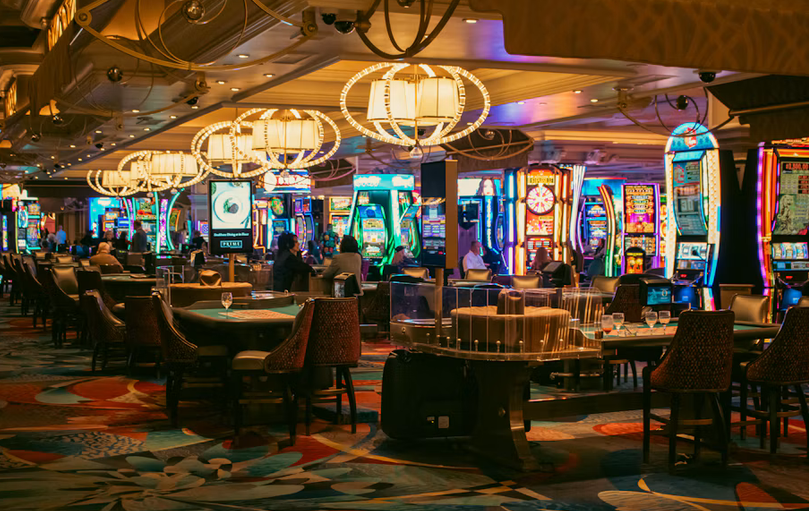
North America has developed a diverse casino industry, particularly in the United States and Canada. Las Vegas remains a global symbol of casino entertainment, combining gaming facilities with hotels, restaurants, concerts, and nightlife. Atlantic City offers another established destination, while tribal casinos play an important role in several American communities and regional economies. In Canada, casino resorts and regulated gaming establishments attract both domestic and international visitors. Gambling is often marketed as part of a broader entertainment experience, demonstrating how casinos can contribute to tourism, employment, and hospitality industries.
Africa: An Emerging and Diverse Gambling Landscape
Casino culture across Africa varies according to local traditions, economic conditions, and national regulations. South Africa has one of the continent’s more established land-based casino industries, with resorts offering gaming alongside accommodation and entertainment. Other countries have growing interest in regulated betting and digital gaming services. Traditional games of chance and informal recreational activities also remain part of the wider cultural landscape. However, accessibility, responsible gambling education, and regulatory oversight are important considerations as the industry develops. Different countries are taking individual approaches to balancing commercial opportunities with consumer protection.
The Middle East: Cultural Values and Gambling Restrictions
The Middle East generally has a more restrictive approach to gambling because of religious, legal, and cultural considerations. In several countries, gambling is prohibited under national laws, reflecting the influence of Islamic principles and established social values. However, the wider region has a growing hospitality and luxury tourism industry, with some destinations exploring new entertainment models. The United Arab Emirates, for example, has introduced a federal regulatory framework for commercial gaming activities. These developments demonstrate that regional approaches can evolve, although legal requirements and permitted activities remain jurisdiction-specific.
Online Casinos: A Global Shift in Gambling Culture
Digital technology has changed how people around the world access gambling entertainment. Online casinos let users explore compatible games on computers, tablets, and smartphones without visiting physical establishments. This convenience has contributed to the growth of international gaming platforms and new forms of digital interaction. Live dealer games, mobile applications, and improved payment technologies have further influenced the experience. Nevertheless, online gambling laws differ between countries, and a platform available in one jurisdiction may not be legally accessible in another. Licensing, privacy, payment security, and responsible gambling protections remain essential considerations.