
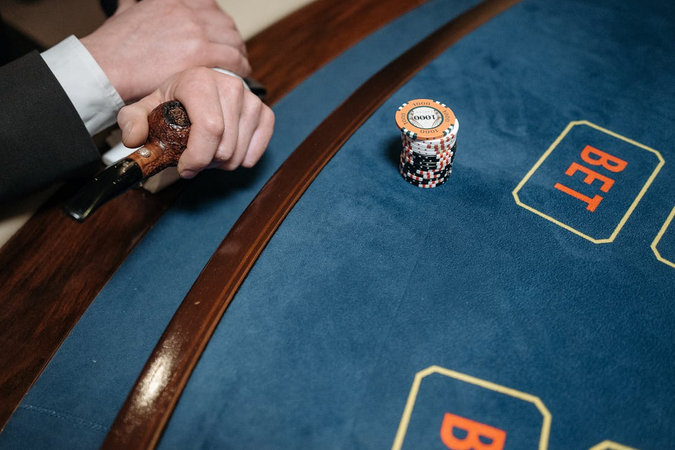
Casino games are shaped not only by their rules but also by the social interactions that take place around the table. Over time, table etiquette has become an important part of casino culture, helping create an atmosphere of respect, fairness, and smooth gameplay for everyone involved. Many online platforms also encourage positive player engagement through promotions such as free credits, prompting participants to explore games while becoming familiar with different formats and conventions. Whether in physical venues or digital environments, understanding accepted etiquette can improve the overall gaming experience. Exploring these traditions reveals why courteous behavior remains an enduring part of modern casino culture.
How Etiquette Supports Smooth Gameplay
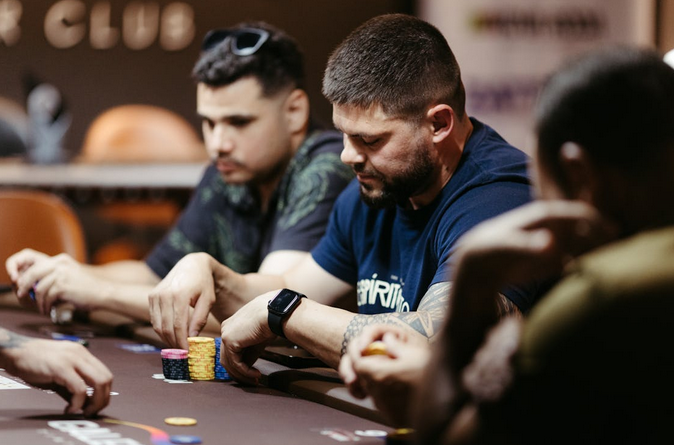
Table games involve multiple participants making decisions within a structured sequence of play. Consistent etiquette helps reduce confusion by encouraging players to follow established procedures when placing bets, handling chips, and interacting with dealers. Clear and predictable behavior allows games to progress efficiently while minimizing misunderstandings. These shared expectations foster an environment in which everyone understands how the game is played, making the experience more organized for both players and casino staff.
The Relationship Between Respect and Shared Spaces
 Casino tables are shared environments where people with different levels of experience participate together. Respectful communication and consideration for others help create a comfortable atmosphere throughout the game. Allowing each participant time to make decisions, avoiding unnecessary interruptions, and interacting politely with dealers and fellow players all contribute to a more positive experience. Because table games rely on direct interaction, courteous behavior supports an environment where everyone can focus on the game itself.
How Tradition Shapes Casino Etiquette
Many aspects of table etiquette have developed alongside the long history of casino gaming. Practices such as waiting for the appropriate moment to place bets, following the dealer’s instructions, and observing the order of play have become established customs over time. Although specific procedures vary between different games and venues, these traditions help create consistency across the gaming floor. Their continued use reflects the importance of maintaining fairness and structure in shared gaming environments.
Why Nonverbal Communication Matters at the Table
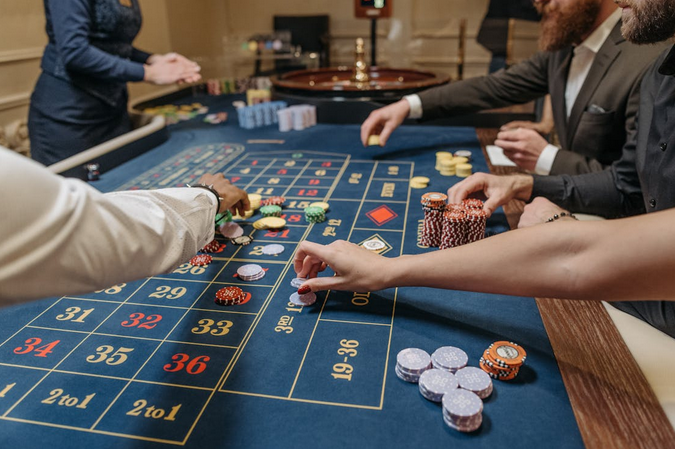
Many casino games rely on simple gestures and clear actions alongside spoken communication. Players may indicate decisions through hand signals, chip placement, or other recognized movements that help dealers understand their intentions. These visual forms of communication reduce ambiguity, particularly in busy gaming environments where multiple conversations may occur simultaneously. Standardized gestures also help maintain the pace of the game by providing quick and easily recognized forms of interaction.
Table etiquette has become part of casino culture because it encourages respectful interaction, supports smooth gameplay, and helps maintain consistency within shared gaming environments. Established customs, clear communication, and consideration for other participants allow table games to operate in an organized and enjoyable manner. While specific procedures may differ between casinos and individual games, the underlying principles of courtesy and cooperation remain widely recognized. These traditions demonstrate that the casino experience is shaped not only by the games themselves but also by the shared behaviors that foster a positive, well-organized environment.